Why Appropriate Drying Issues Greater Than You Believe
Waterproof camping tent materials-- whether covered with polyurethane (PU), silicone (silnylon), or a laminated membrane layer like Gore-Tex-- are engineered to push back dampness while allowing breathability. But these finishings are not undestroyable.
When a wet camping tent is stored, dampness obtains trapped against the fabric. In time, this motivates mold and mold and mildew development, which not just develops unpleasant odors but actively breaks down the waterproof covering. The delicate seam tape, which keeps water from leaking with stitch openings, is particularly prone to duplicated dampness direct exposure without correct drying out. An outdoor tents that's stuffed away damp repeatedly will delaminate, peel, and fail far quicker than one that's cared for after every use.
Step-by-Step: The Right Way to Dry Your Tent
Shake Off Excess Water First
Prior to anything else, offer your outdoor tents an excellent shake. Get rid of the posts and risks, then hold the body of the camping tent and drink it securely to eliminate pooled water from the fly, vestibule, and any kind of low-lying areas. This basic action significantly minimizes drying time.
Set It Up If You Can
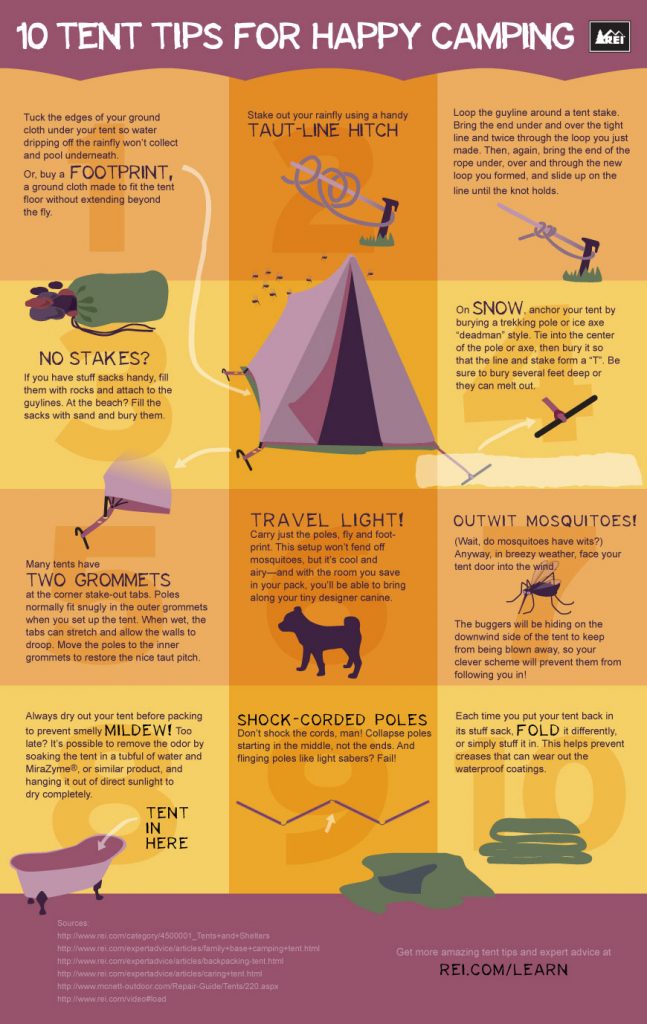
One of the most reliable means to dry out a water resistant camping tent is to pitch it completely-- or at least spread it out loosely-- to make sure that air can flow around every surface. If you're back home, set it up in your yard, on a patio area, and even in a big garage with the doors open. This allows both the internal outdoor tents and the external fly to dry simultaneously.
Stay clear of bunching or folding the outdoor tents while it's still damp. Folds trap dampness and produce precisely the conditions you're attempting to prevent.
Choose the Right Drying Location
Shade is your buddy when drying out water-proof outdoor tents textiles. Straight sunlight might look like an effective option, yet UV rays are harming to the majority of tent coverings and ripstop nylon in time. Extended sunlight direct exposure weakens the DWR (sturdy water repellent) finish and weakens synthetic fibers.
Look for a spot that gets good airflow and indirect light. Under a tree canopy, inside a well-ventilated garage, or on a covered patio are all exceptional choices. If you have a drying shelf indoors, drape the tent loosely over it and open nearby windows to encourage air activity.
Do Not Make Use Of Warmth Resources
It may be tempting to throw the camping tent in a clothes dryer, hang it above a radiator, or lay it in direct sunshine to speed points up-- resist this urge. Extreme heat warps outdoor tents poles, thaws sticky joint tape, and can trigger the waterproof layer to bubble and peel. Always air-dry at ambient temperature.
Dry the Camping Tent Bag and Stakes Too
It's simple to forget about the storage space bag and camping tent stakes, however both can harbor wetness. Turn the storage space bag inside out and allow it air dry totally. Wipe your risks completely dry and enable them to air out prior to keeping to prevent rust on steel ranges.
What to Do When You Can't Dry It Appropriately After a Trip
Often you're leaving camp in the rain, or you remain in a rush at the end of a journey. If you need to load a damp camping tent, do so freely-- never press or roll it tightly when wet. As quickly as you're home, your first top priority ought to yert tent be getting it unpacked and expanded to dry, preferably within a few hours.
A Quick Field Pointer
If you're mid-trip and need to leave a damp tent for transportation to your following campground, load the wet fly independently from the inner camping tent making use of a different stuff sack or a trash can. This protects against wetness from moving to the dry inner and makes setting up for the evening drying procedure much easier.
Keeping Your Tent After It's Totally Dry
When your tent is completely dry-- and it needs to be totally dry, not simply surface-dry-- store it loosely. Lasting compression in a small stuff sack can crease and fracture the waterproof finishing. A huge cotton or mesh bag functions well for home storage, maintaining the textile relaxed and allowing any type of residual air movement.
Deal with drying out as part of the journey itself, not an afterthought. A few additional minutes of treatment whenever you return from the outdoors will certainly expand your tent's life by years and keep its waterproofing doing when you require it most.